

How IPL Franchises Earn Money?: A Deep Dive Into the Billion-Dollar Business Model
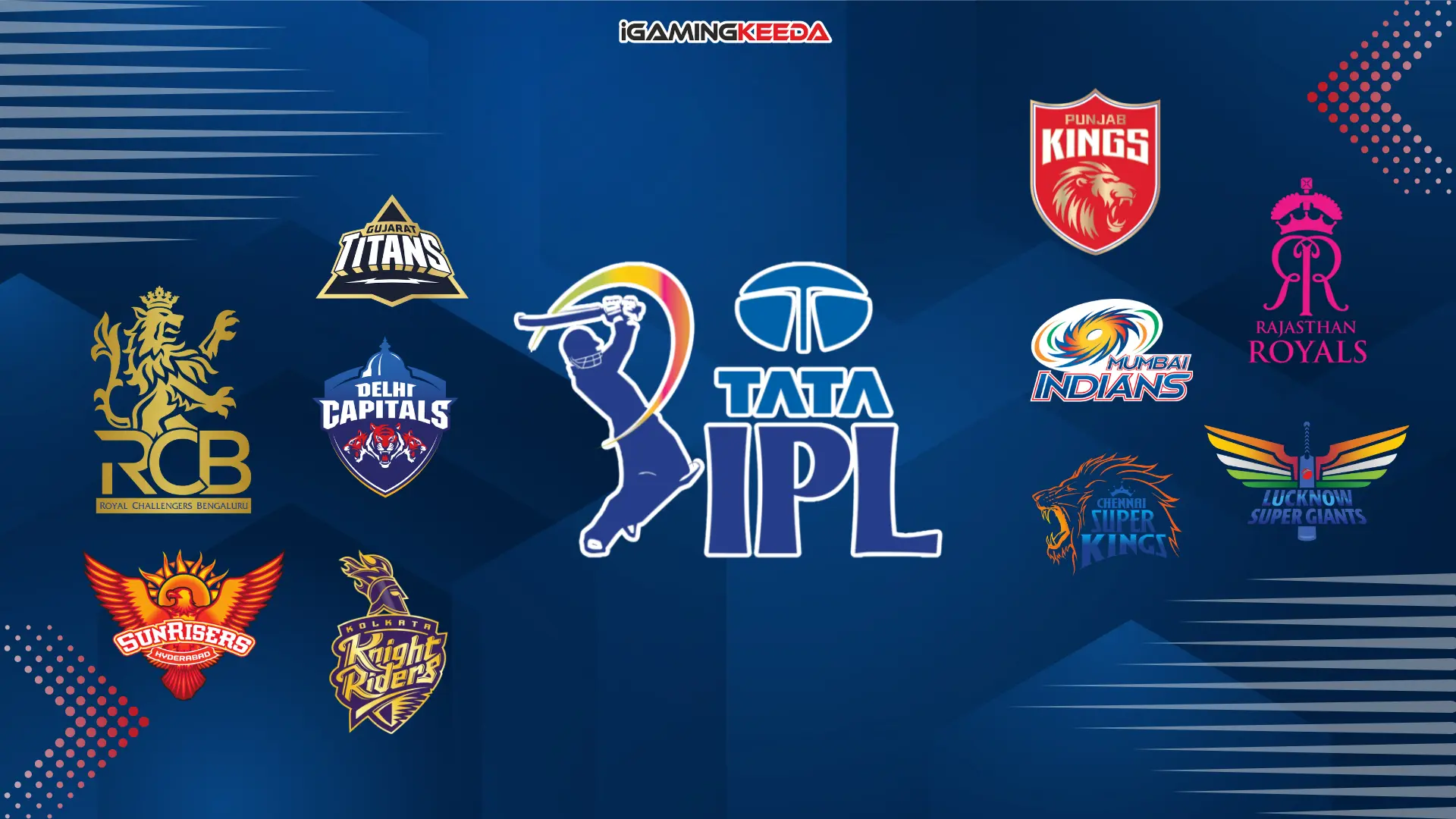
The Indian Premier League (IPL) is more than just a cricket tournament; it’s a billion-dollar sports business. Every season, it draws massive viewership, attracts global sponsors, and brings in big investors. But have you ever wondered, how do IPL teams make money? The IPL revenue model is a sophisticated engine designed for profitability. Let’s break down the complete IPL business model and explore every IPL franchise income source that contributes to their impressive IPL team earnings.
What is the IPL Revenue Model? A Breakdown of IPL Franchise Earnings
The financial success of an IPL team isn’t reliant on a single stream. Instead, the IPL money making model is a multi-faceted structure. IPL franchise revenue flows from several key channels, ensuring financial stability regardless of on-field performance. Understanding how IPL franchises earn money reveals a clever mix of shared league income and individual team enterprise.
1. Sponsorship: The Primary Source of Income
In the IPL, everything within the stadium has a price tag. Sponsorship serves as the primary source of income for IPL teams.
Each team has multiple sponsorships, including a main sponsor, a jersey sponsor, and a sleeve sponsor. Teams partner with organizations to promote brands in exchange for substantial financial investments. This is a core part of the IPL franchise profit model.
Brand promotions happen through print media, advertorials, and the players themselves. An average IPL outfit showcases around 10 brand logos six on the jersey, two on the pants, and two on the cap. Franchises also produce ad content to promote their sponsors’ products. For example, Chennai Super Kings (CSK) has partnered with at least 18 brands, with Etihad Airways as their title sponsor, showcasing the significant IPL team sponsorship revenue.
2. Media Rights: The Broadcasting Bonanza
A massive chunk of the IPL franchise income comes from the sale of media rights. The BCCI sells these rights to broadcasters like Star Sports and JioCinema for huge sums, defining the IPL broadcasting rights value.
This total amount is then shared between the BCCI and the IPL teams. Around 50% of the revenue goes to the teams, distributed based on their performance and standing in the league. This IPL revenue sharing model means the more popular and successful a team is, the larger its cut from the IPL digital rights income and television deals.
3. Ticket Sales: Cashing in on the Live Experience
IPL teams earn a significant portion of their revenue through ticket sales for matches held in their home stadiums. This IPL ticket sales revenue is a direct reflection of a team’s ability to draw massive crowds.
Ticket prices for IPL matches typically range from ₹500 to ₹10,000. Teams further boost earnings by offering premium hospitality packages and VIP experiences. Iconic stadiums like Wankhede or Eden Gardens can generate an impressive revenue of ₹6-8 crore per match when fully occupied, making gate receipts a vital income stream.
4. Merchandising: Selling Fandom
A significant chunk of IPL team earnings comes from selling official merchandise, a key part of the IPL merchandising income. This includes everything from replica jerseys and sports gear to collectibles.
An official team jersey is priced at approximately ₹2,000. With the sale of hundreds of thousands of jerseys, a team can generate staggering revenue. The estimated earnings from merchandise range between ₹10 crore to ₹30 crore per team per season. Teams with a strong fan base, like CSK, MI, and RCB, tend to earn significantly more, proving that fan loyalty has direct financial benefits.
5. Prize Money: The Reward for Victory
Prize money is a key revenue source for top-performing franchises. The winning team receives the largest share, which is divided between the team owners and players.
In 2024, the champions were awarded ₹20 crores, while the runner-up earned ₹12.5 crores. The team finishing third secured ₹7 crores, and the fourth-place team received ₹6.5 crores. This lucrative reward system directly boosts the IPL franchise revenue of successful teams.
6. Brand Value: The Intangible Asset
A team’s brand value plays an important role in attracting sponsors and investors, heavily impacting IPL team sponsorship revenue and overall IPL franchise profit.
Star players like Virat Kohli, MS Dhoni, and Rohit Sharma improve a team’s appeal, while success in the IPL boosts brand value further. Furthermore, factors like celebrity owners, such as Shah Rukh Khan and Preity Zinta, also contribute to a team’s marketability and negotiating power with brands.
A Winning Financial Combination
So, do IPL teams make profit? The answer is a resounding yes. The IPL financial structure, with its diverse IPL revenue streams such as broadcasting rights, sponsorships, ticket sales, and merchandise, collectively ensures their financial stability.
The IPL economics create a virtuous cycle: teams that perform well attract more lucrative sponsorship deals, drive higher merchandise sales, and secure greater prize money. With the increasing IPL brand valuation and the league’s global appeal, franchises continue to experience rising valuations and sustained long-term profitability, solidifying the IPL as a true powerhouse in the global sports industry.

Relevant news
Who Will Lead KKR after Rahane: Rinku, Narine, or a New Face?
Kolkata Knight Riders are searching for a new captain following Ajinkya Rahane's retirement from all…
CSK and Stephen Fleming Part Ways After 18-Year Legendary Association
It is the end of an era. Chennai Super Kings and their long-time head coach…
Hardik Pandya Trade Rumours: Is a Mumbai Indians Exit Really Happening?
The rumours around Hardik Pandya leaving Mumbai Indians have been making headlines for the past…
Race Heats Up: CSK Join KKR in Pursuit of Hardik Pandya Trade
Hardik Pandya is the name on everyone's lips. And now, Chennai Super Kings have joined…
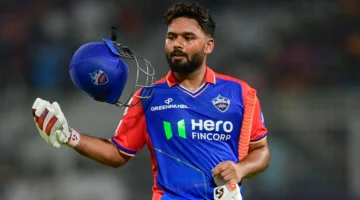
Rishabh Pant Returns to Delhi Capitals in Blockbuster Swap Deal With Kuldeep Yadav
The IPL announced a straight swap on Tuesday. Pant will rejoin Delhi Capitals for the…
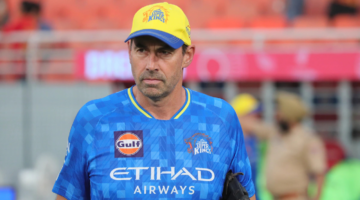
Stephen Fleming Stays at CSK Despite Fan Outcry and Poor Form
Chennai Super Kings are holding firm. Head coach Stephen Fleming will continue in his role.…