

The ‘Mini’ Auction That Could Shape the Next Era of IPL
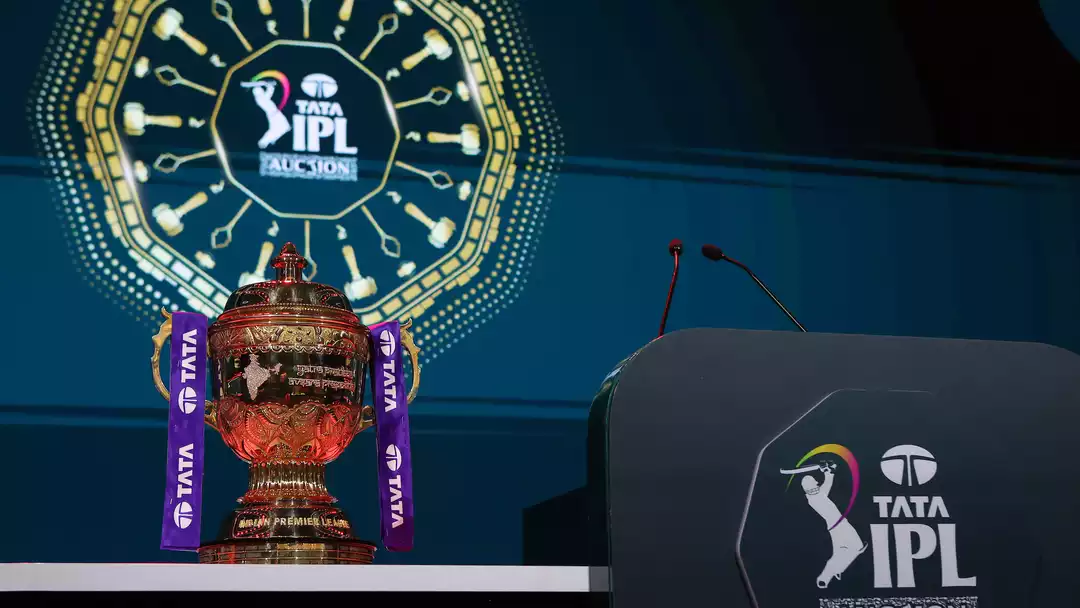
On paper, it’s a mini-auction. In reality, when the bidding begins in Abu Dhabi on Tuesday (December 16), the stakes could be monumental for the very soul of two IPL giants. This isn’t just fine-tuning, it’s a high-stakes strategy session that could define the next two seasons.
Traditionally, mini-auctions are for minor tweaks. But this year, the Kolkata Knight Riders and Chennai Super Kings are playing a different game. KKR enter with a staggering war chest of ₹64.30 crore more than they had at last year’s mega auction. CSK aren’t far behind with ₹43.40 crore. This financial firepower means they won’t just participate; they will dictate the narrative.
The early focus will be on Australian all-rounder Cameron Green, the undisputed hottest property. A bidding war between KKR and CSK is almost a given. The question is whether KKR will replicate the aggressive, bank-breaking strategy they used to secure Mitchell Starc two years ago.
But the intrigue doesn’t end there. The dynamics of a mini-auction create unique opportunities and pitfalls. Due to the limited talent pool, demand often outstrips supply, inflating values. This is why underperformers from last season like Venkatesh Iyer (142 runs) and Liam Livingstone (112 runs) could still trigger fierce bidding wars, their past IPL pedigree outweighs a single poor season.
The auction order also plays a subtle but crucial role. Star Indian spinner Ravi Bishnoi is strategically placed later in the list (No. 30), allowing teams to reserve funds. In contrast, batters Prithvi Shaw and Sarfaraz Khan are in the very first batch (BA1), which might work against them as franchises cautiously guard their purse for marquee names early on.
A fascinating subplot will be the fate of uncapped players in Lots 8, 9, and 10. In a mini-auction, these talents often attract bids far exceeding what they’d command in a mega auction. With around ₹150-160 crore likely to be spent in this segment, several uncapped Indians could become crorepatis overnight. Watch out for names like Afghanistan’s mystery spinner Wahidullah Zadran, an 18-year-old who embodies the “mystery sells” mantra of the IPL.
Adding another layer is a new salary cap for overseas players. No foreign recruit can earn more than ₹18 crore at this auction, even if the bid goes higher. The excess will go to the BCCI for player welfare. This rule, requested by franchises, aims to prevent inflated overseas bids and could reshape team-building strategies.
When the gavel falls, this so-called “mini” auction may well be remembered as the moment the IPL’s balance of power shifted.

Relevant news
Natarajan Returns to SRH as Ansari Heads to Delhi Capitals
T Natarajan is set for a second stint at Sunrisers Hyderabad after the franchise secured…
CSK Turn to Zaheer Khan as Fleming Era Ends After 18 Years
Chennai: Chennai Super Kings have appointed Zaheer Khan as their head coach for IPL 2027,…
IPL Auction Returns Home as BCCI Prioritises Franchise Logistics
The Indian Premier League auction will be held in India in 2027, the BCCI has…

Delhi Capitals Plot Coaching Coup with Ganguly and Yuvraj at the Helm
Delhi Capitals are preparing a sweeping overhaul of their backroom staff for IPL 2027, with…
Impact Player Rule Under Review as BCCI Polls Franchises on Future
The future of the IPL's most debated innovation is once again uncertain. The BCCI has…

Who Will Lead KKR after Rahane: Rinku, Narine, or a New Face?
Kolkata Knight Riders are searching for a new captain following Ajinkya Rahane's retirement from all…