

Four Reasons Afghanistan Struggled Against India in the One-Off Test
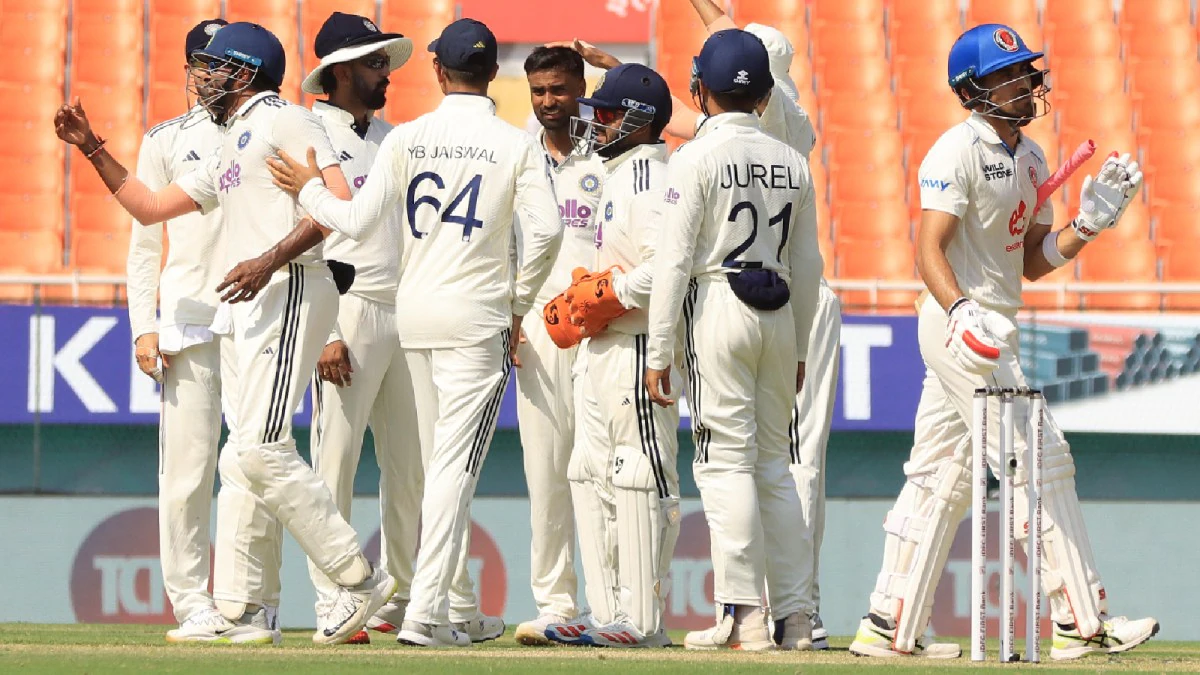
Afghanistan came into their one-off Test against India in New Chandigarh hoping to show how much they had improved since their first Test meeting against India in 2018. Back then, they were beaten inside two days. This time, the match lasted until the third evening, but the result was even more painful as India won by an innings and 300 runs.
After the match, Afghanistan head coach Richard Pybus summed up the team’s performance in a simple way. “What could go wrong did go wrong.”
It was a statement that perfectly described Afghanistan’s difficult few days. While the result may not have changed, several moments throughout the match could have helped Afghanistan put up a much stronger fight.
Team Selection Problems Started Early
Even before the match began, Afghanistan faced challenges.
Pybus expected the hot weather to dry out the pitch quickly and bring spin bowlers into the game. Despite that, Afghanistan selected three seamers and only two frontline spinners, one of whom was making his Test debut.
Things became even worse when Sharafuddin Ashraf, Afghanistan’s leading wicket-taker in the 2025 Ahmad Shah Abdali Trophy, suffered a groin injury on the very first day. He did not bowl a single delivery in the match.
That left Afghanistan effectively playing with one less bowling option on a pitch that was offering very little help to fast bowlers.
Pybus later admitted his frustration. “You come to India and then you end up playing them with ten men before we have really bowled a ball really.”
Despite the difficult conditions, Mohammad Saleem was one of the few bright spots for Afghanistan. Playing only his second Test, he picked up impressive figures of 6 for 140 and earned praise from both teams.
DRS Mistakes Cost Afghanistan Dearly
One of Afghanistan’s biggest problems during the match was their hesitation in using the Decision Review System (DRS).
On the opening day, KL Rahul edged a delivery from Ziaur Rahman while batting on 16. The umpire did not give him out, but Afghanistan chose not to review the decision.
Rahul went on to score a century. The mistakes continued on the second day.
Afghanistan missed two more review opportunities when Azmatullah Omarzai had Shubman Gill trapped lbw and later found an edge from Rishabh Pant. On both occasions, the team decided not to challenge the umpire’s decision.
Missed Review Opportunities
| Batter | Situation | Result |
| KL Rahul | Edged behind on 16 | Scored 100 |
| Shubman Gill | LBW chance missed | Continued batting |
| Rishabh Pant | Edge behind missed | Continued batting |
At Test level, these moments can completely change a match. Unfortunately for Afghanistan, every important decision seemed to go against them.
Poor Shot Selection Added More Pressure
Afghanistan’s batting also showed signs of inexperience under pressure. One of the most worrying patterns was their tendency to lose wickets just before breaks in play.
End-of-Session Problems
| Session Overs Faced | Wickets Lost |
| 4 | 3 |
On Saturday, opener Abdul Malik survived three deliveries from debutant spinner Manav Suthar before attempting a sweep shot and getting caught.
The same thing happened with Sediqullah Atal on Monday. After defending well against Washington Sundar, he tried an attacking shot off the final ball before tea and was caught.
Earlier in the match, Rahmanullah Gurbaz and Rahmat Shah also lost their wickets while trying risky attacking shots.
Pybus admitted that his players struggled to find the right balance between attack and defence.
In the first innings, they allowed India’s spinners to control the game. In the second innings, they became too aggressive and gave away their wickets.
“The players need to understand the balance between offence and defence,” Pybus explained.
The Biggest Problem: Lack of Test Cricket
While injuries and mistakes hurt Afghanistan, Pybus believes the biggest issue is much deeper.
Before this match, Afghanistan’s previous Test was played in October 2025 against Zimbabwe. They had gone seven months without playing red-ball cricket.
Even more concerning is their overall Test record.
Afghanistan’s Test Journey
| Statistic | Record |
| Test Debut | 2018 |
| Tests Played | 13 |
| Years as Test Nation | 8 |
That means Afghanistan have played only 13 Tests in eight years.
Pybus believes this lack of opportunities is slowing the team’s growth.
“We were just incredibly rusty; we hadn’t played a Test match for seven months.”
He pointed out that Afghanistan’s white-ball teams have improved because they play regularly. The same opportunity has not been available in Test cricket.
According to Pybus, no team can develop in the longest format without consistent matches.
“To evolve, we need fixtures to play.”
The Real Story Behind the Defeat
India were clearly the better team throughout the match. However, Afghanistan will leave New Chandigarh wondering what might have happened if a few things had gone differently.
- What if Ashraf had not been injured?
- What if they had reviewed Rahul’s edge?
- What if they had reviewed Gill and Pant?
- What if the batters had shown more patience?
None of these moments alone would have changed the result. But together, they could have helped Afghanistan compete far better than they did.
In the end, this defeat was not just about India’s dominance. It was also a reminder of how much Afghanistan still need regular Test cricket.
The talent is there. The potential is there. What Afghanistan need now is experience, opportunities, and more matches in the format they are still learning to master.

Relevant news
Harpreet Brar’s seven-year IPL wait for a settled role
For seven IPL seasons, Harpreet Brar has remained one of Punjab Kings' few constants. The…
Why India Missed the Women’s T20 World Cup Semifinals?
India entered their final league match knowing only a win against Australia would keep their…
India’s Road Gets Tougher as South Africa Boost Semifinal Hopes
South Africa's victory over India has made the race for the semifinals much more interesting…

The Shot That Defined Kane Williamson Better Than Any Century
There are many reasons why cricket fans admire Kane Williamson. There were his beautiful cover…

Group of Death: Australia, India and South Africa Set for T20 World Cup Battle
The Women's T20 World Cup 2026 is about to begin, and Group 1 is already…
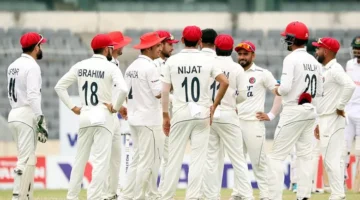
Afghanistan’s Test Cricket Struggle: Eight Years Later, Still Waiting for More Opportunities
Afghanistan became a Test-playing nation in June 2018, and for the country's cricket fans, it…