

Why India Missed the Women’s T20 World Cup Semifinals?
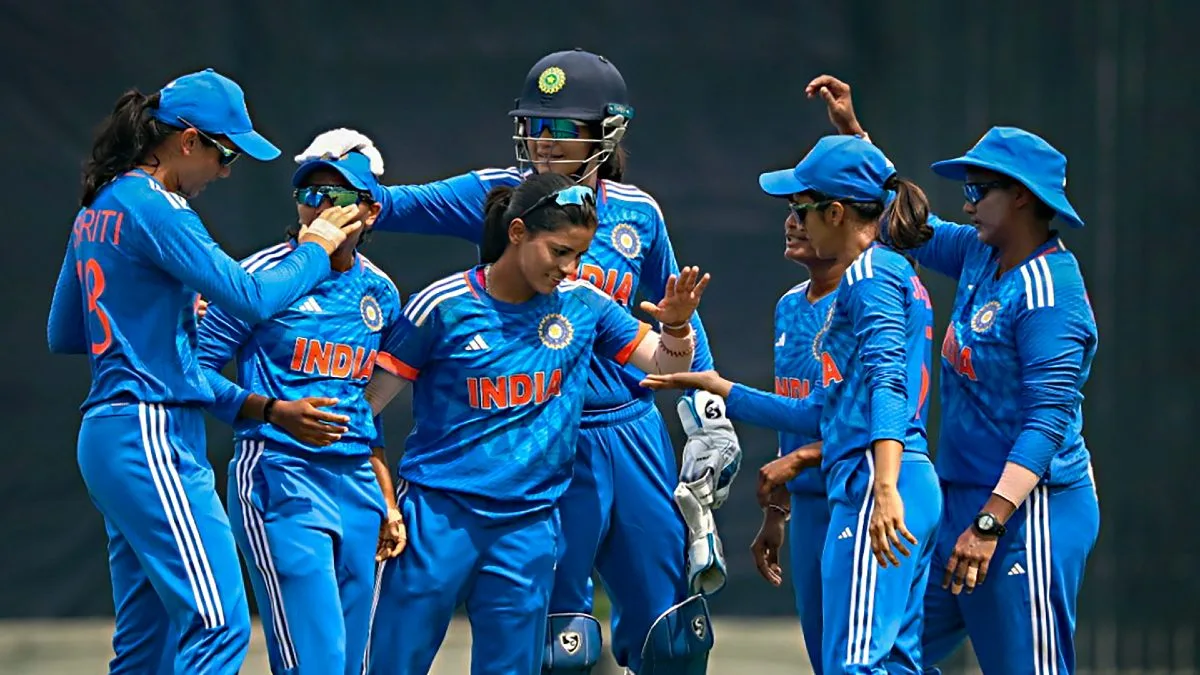
India entered their final league match knowing only a win against Australia would keep their semifinal hopes alive. They posted 170/4, a total that head coach Amol Muzumdar described as a “par score.” However, Australia chased it down comfortably with six wickets in hand and six balls to spare, ending India’s campaign.
After the defeat, Muzumdar admitted that India fell short in all three departments throughout the tournament, batting, bowling, and fielding. According to him, India needed another 15-20 runs on the board, but the bigger concern was an inexperienced bowling attack and an unsettled playing combination that never found its rhythm.
One positive from the Australia match was India’s fielding. After dropping crucial catches earlier in the tournament, they held on to every chance in this game. But by then, the earlier mistakes had already damaged their qualification hopes.
Tournament Numbers That Explain India’s Exit
| Key Area | India | Impact |
| Total Score vs Australia | 170/4 | Considered a par score |
| Australia’s Chase | Won by 6 wickets | 6 balls remaining |
| Runs Needed | 15-20 more | According to Muzumdar |
| Tournament Finish | Eliminated | Missed semifinals |
The biggest issue throughout the tournament was India’s bowling. Their pace attack never looked settled as the team kept changing combinations. Not a single pace attack played two consecutive matches, making it difficult for the bowlers to build confidence or consistency.
While Nandani Sharma was India’s best-performing seamer with three wickets and an economy rate of 8.69, she did not play the crucial match against Australia. Meanwhile, Kranti Gaud and Arundhati Reddy finished the tournament without taking a wicket.
India’s spin attack performed much better and carried most of the workload. Out of the team’s 34 wickets, the spinners claimed 29, showing how heavily India depended on them throughout the competition.
India’s Bowling Numbers
| Category | Statistics |
| Total Wickets | 34 |
| Wickets by Spinners | 29 |
| Wickets by Pacers | 5 |
| Team Economy Rate | 7.43 |
Economy Rate Comparison
| Team | Economy Rate |
| Australia | 6.21 |
| South Africa | 6.93 |
| England | 7.23 |
| West Indies | 7.36 |
| India | 7.43 |
These numbers clearly show why India’s bowling struggled compared to the four semifinalists.
Fielding also proved costly during the tournament. Although India were excellent against Australia, their earlier mistakes could not be undone. They dropped 10 catches, the third-highest total in the tournament after England and New Zealand, who both dropped 12.
The most expensive mistakes came against South Africa, where India gave Marizanne Kapp three lives. Those missed opportunities played a big role in that defeat and eventually hurt India’s qualification chances.
Batting was another area where India failed to build consistency. The middle order regularly lost wickets in clusters during the first four matches. Against Australia, the opening partnership added 66 runs in 9.1 overs, but the scoring rate remained slow.
It was only because of Harmanpreet Kaur‘s outstanding innings of 56 from just 27 balls that India managed to post a competitive score. The team scored 36 runs in the final two overs, but a faster start could have made a significant difference.
India’s Batting Numbers vs Australia
| Batting Stat | Figures |
| Opening Partnership | 66 runs in 9.1 overs |
| Harmanpreet Kaur | 56 (27) |
| Runs in Last 2 Overs | 36 |
| Extra Runs Needed | 10-15 (as admitted by Muzumdar) |
Another problem was India’s unsettled batting order. The team never looked fully convinced about Yastika Bhatia’s role. She mostly batted at No. 3, which pushed the experienced Jemimah Rodrigues down to No. 5.
Against Australia, India chose not to send Yastika in and promoted Deepti Sharma instead, showing a lack of confidence in their batting order. Yastika finished the tournament with just 41 runs in three innings at an average of 13.66.
Three Big Reasons India Missed the Semifinals
1. Inexperienced and Unsettled Bowling Attack
India kept changing their pace bowlers throughout the tournament. No pace attack played back-to-back matches, and the seamers managed only five wickets, putting extra pressure on the spinners.
2. Fielding Mistakes at Crucial Moments
India dropped 10 catches during the tournament. The three missed chances against South Africa proved especially costly and ultimately damaged their semifinal hopes.
3. Batting Never Clicked Consistently
The top order started slowly, the middle order regularly lost wickets in clusters, and only Harmanpreet Kaur’s late acceleration helped India post competitive totals. A more aggressive approach early in the innings could have made the difference in close matches.
In the end, India’s exit was not the result of one poor performance. It was the outcome of several small mistakes repeated throughout the tournament. An unsettled pace attack, costly fielding errors, and inconsistent batting prevented the team from reaching the semifinals.
The positives are still there. India’s spin attack showed great promise, and according to Amol Muzumdar, the young bowling unit needs time to develop. If the team can settle its combinations and improve in key moments, it has the potential to return much stronger in future ICC tournaments.

Relevant news

Harpreet Brar’s seven-year IPL wait for a settled role
For seven IPL seasons, Harpreet Brar has remained one of Punjab Kings' few constants. The…
India’s Road Gets Tougher as South Africa Boost Semifinal Hopes
South Africa's victory over India has made the race for the semifinals much more interesting…

The Shot That Defined Kane Williamson Better Than Any Century
There are many reasons why cricket fans admire Kane Williamson. There were his beautiful cover…
Four Reasons Afghanistan Struggled Against India in the One-Off Test
Afghanistan came into their one-off Test against India in New Chandigarh hoping to show how…

Group of Death: Australia, India and South Africa Set for T20 World Cup Battle
The Women's T20 World Cup 2026 is about to begin, and Group 1 is already…
Afghanistan’s Test Cricket Struggle: Eight Years Later, Still Waiting for More Opportunities
Afghanistan became a Test-playing nation in June 2018, and for the country's cricket fans, it…