

How UEFA’s New Financial Sustainability Regulations Regulate Club Spending

If you’ve ever loaded up a Career Mode save on “Strict” financial settings or tried to manage a lower-league club in Football Manager, you know the absolute agony of the board blocking a blockbuster transfer because it shatters your wage structure. In the real world, UEFA acts as that ultimate, unyielding board of directors for European football.
For over a decade, the meta for European football finances was governed by Financial Fair Play (FFP). Introduced in 2010, FFP was initially highly effective. In 2009, net losses across Europe’s top divisions sat at a bleeding €1.6 billion; by 2018, the system had forced a massive turnaround, transforming that deficit into a combined profit of €140 million.
But then the COVID-19 lockdowns hit. Matchday revenues flatlined, wage bills remained rigid, and the player transfer market crashed, resulting in a staggering €7 billion in cumulative losses among top-division clubs. UEFA realized a simple patch update wasn’t going to cut it.
Approved in June 2023, UEFA has officially rolled out the Club Licensing and Financial Sustainability Regulations (FSR). Built on widespread consultation with the European football community, this new system replaces the old FFP model and rests on three core pillars.
The UEFA Financial Sustainability Overview
| Rank | Player | Goals | Clubs Represented in UCL |
|---|---|---|---|
| 1 | Cristiano Ronaldo | 140 | Manchester United, Real Madrid, Juventus |
| 2 | Lionel Messi | 129 | Barcelona, Paris Saint-Germain |
| 3 | Robert Lewandowski | 107 | Borussia Dortmund, Bayern München, Barcelona |
| 4 | Karim Benzema | 90 | Lyon, Real Madrid |
| 5 | Raúl González | 71 | Real Madrid, Schalke |
| 6 | Kylian Mbappé | 68 | Monaco, Paris, Real Madrid |
| 7 | Thomas Müller | 57 | Bayern München |
| 8 | Erling Haaland | 56 | Salzburg, Dortmund, Manchester City |
| 9 | Ruud van Nistelrooy | 56 | PSV Eindhoven, Manchester United, Real Madrid |
| 10 | Thierry Henry | 50 | Monaco, Arsenal, Barcelona |
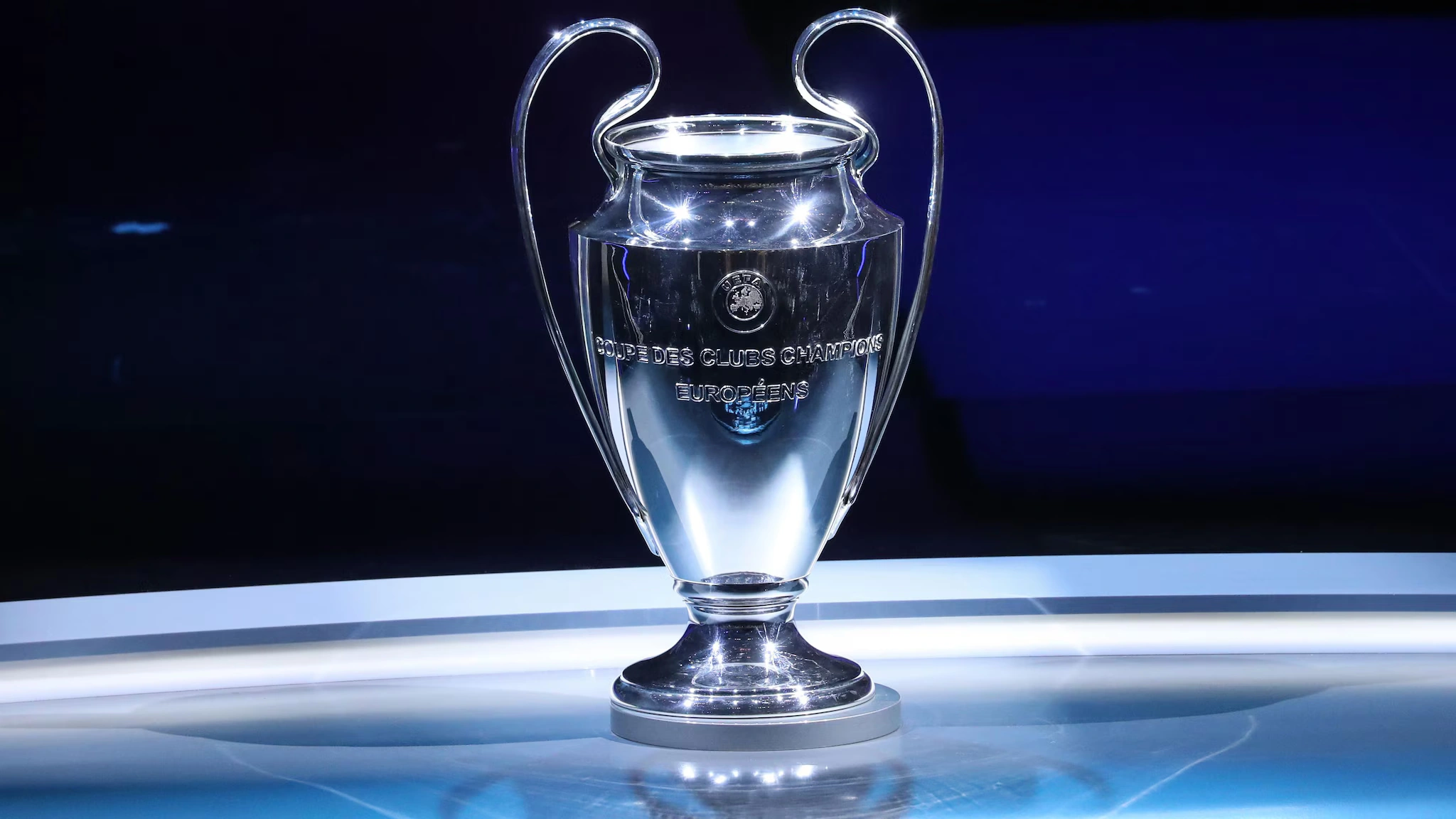
Image via UEFA
The Three Pillars of FSR
1. Cost Control (The Squad Cost Rule)
This is the biggest gameplay mechanics change. For the first time ever, UEFA has introduced a hard squad cost rule. Clubs are now explicitly limited in what they can spend on player wages, head coach wages, transfer amortization, and agent fees.
The new rule caps this spending at 70% of a club’s total revenue. To give clubs time to adjust their rosters and offload bloated contracts,
UEFA is rolling this out in progressive thresholds:
2023/24 Season: Cap set at 90% of club revenue.
2024/25 Season: Cap drops to 80%.
2025/26 Season onwards: The permanent ceiling locks in at 70%.
Breaching this threshold won’t just result in a warning; it will trigger predefined financial penalties and heavy sporting measures.
2. Solvency (No Overdue Payments)
UEFA has massively buffed creditor protection to ensure the integrity of the competitions. Clubs can no longer kick the can down the road when it comes to debt. The new system enforces strict controls to ensure clubs do not have overdue payables towards other football clubs , their own employees , or social/tax authorities.
3. Stability (The Football Earnings Rule)
The old break-even requirement has evolved into the “football earnings rule.” Calculated over three monitoring periods, clubs can technically run a deficit, but they must demonstrate either an aggregate football earnings surplus or a deficit that sits strictly within an acceptable deviation. Historically, this acceptable deviation has been set at EUR 5 million, though it can exceed this level up to EUR 30 million if the excess is entirely covered by direct contributions from equity participants and/or related parties.
Requirements for these equity contributions have been heavily tightened to stop clubs from using massive owner injections to mask unsustainable operations.
The Enforcers: The Club Financial Control Body (CFCB)
You can’t have rules without admins to enforce them. Overseeing this entire system is the UEFA Club Financial Control Body (CFCB). Operating as an Organ for the Administration of Justice, the CFCB is divided into an investigatory chamber and an adjudicatory chamber.
They determine whether clubs have fulfilled the financial sustainability requirements and have the power to impose disciplinary measures for any breaches. Their word is final within UEFA, and the only way a club can contest a CFCB ruling is by taking an appeal to the Court of Arbitration for Sport (CAS) in Lausanne, Switzerland.
Editor’s Recommendations:
- Top 5 Biggest Upsets in FIFA World Cup History
- Messi vs Ronaldo: Stats, Goals, and Career Comparison
FAQs
Q: If my club wants to invest in its youth academy or build a women’s team, does that count against the 70% Cost Control cap?
A: No! UEFA encourages long-term, positive investment. Expenditure that is directly attributable to youth development activities can be excluded from the break-even calculation. Similarly, expenses directly attributable to women’s football activities are also excluded. Think of it as free XP for your club’s infrastructure.
Q: How exactly does UEFA define an “overdue” payable? What if a club is disputing a transfer fee?
A: Payables are considered overdue if they are not paid according to the contractual terms. However, a club won’t be penalized if they have a written agreement with the creditor to extend the deadline , or if they have brought a legitimate legal claim contesting the liability to a competent authority.
Q: Does this new FSR act like an American sports salary cap?
A: Not exactly. In games like Madden, a salary cap is a fixed, identical number for every team in the league. UEFA’s rule is a percentage of individual revenue. So, if a massive club generates €800 million, they can spend €560 million (70%). If a smaller club generates €100 million, they can only spend €70 million. It rewards clubs with massive commercial and matchday income.

Relevant news
The Yanks on the Global Stage: A Deep Dive into the USMNT Competitive Record
If you’ve been following the United States Men's National Team (USMNT) through the highs of…

The Ultimate List of All-Time Champions League Top Scorers | Ronaldo, Messi & Lewandowski
When you talk about the UEFA Champions League, you’re talking about the absolute peak of…
FIFA World Cup: 5 Underdog Teams That Shocked The World
The FIFA World Cup always brings unexpected outcomes. The tournament sees two teams from each…

Top 5 Biggest Upsets in FIFA World Cup History
The FIFA World Cup has offered countless memorable moments, from incredible players to goals that…

5 Youngest Players Who Have Won the UEFA Champions League
Winning the UEFA Champions League is difficult at any age. Doing it as a teenager…

Messi vs Ronaldo: Stats, Goals, and Career Comparison
Messi vs Ronaldo is a debatable topic that has been going on for almost 20…