

The Great Fielding Debate: Where Do the Modern Acrobats Rank Against the Pioneers?
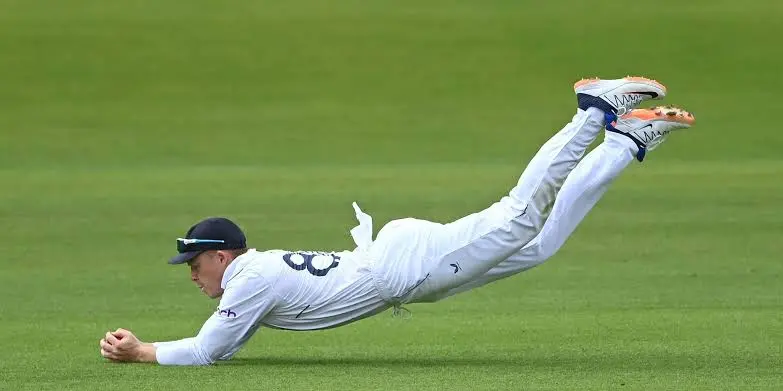
A recent attempt to rank cricket’s greatest fielders has stirred a familiar and passionate debate among fans, pitting the modern acrobats against the pioneers who laid the groundwork for the art. The graphic, shared by Incognito Cricket, places South Africa’s Jonty Rhodes at the pinnacle of a pyramid, with Glenn Phillips and AB de Villiers occupying the tier just below.
Agree or not❓ pic.twitter.com/0GgCeLwr0h
— Incognito Cricket (@Incognitocric) September 4, 2026
The discussion has reignited a conversation that has long simmered among cricket followers: how does one compare the boundary-riding athletes of the Twenty20 era with the close-in specialists of a bygone age?
The pyramid’s top tier reflects the modern appreciation for athleticism and agility. Rhodes, whose diving stops and direct hits redefined fielding standards in the 1990s, is widely regarded as the game’s most influential fielder. His inclusion at the summit received little dissent.
Close behind are two of the modern era’s most spectacular fielders. Glenn Phillips has become renowned for his gravity-defying catches in the deep, while AB de Villiers was celebrated for his exceptional reflexes and throwing accuracy. The graphic also included names such as Paul Collingwood, Ricky Ponting, Ravindra Jadeja and David Warner among the elite tiers.
Many fans cheered the recognition of athletic stars like Jadeja and Phillips, whose breathtaking catches have become a staple of modern cricket.
Yet the pyramid quickly drew criticism from those who felt the list overlooked the game’s pre-modern greats. Chief among the omissions cited was Colin Bland, the Zimbabwean-born South African fielder nicknamed the ‘Golden Eagle’, who was renowned for his speed, diving stops and powerful throws from the outfield.
Also notably absent was Eknath Solkar, the Indian fielder who revolutionized the forward short leg position. Solkar’s 53 catches in just 27 Tests remain a remarkable tally for a position that demands immense courage and reflexes, standing perilously close to the bat.
The omissions highlight a fundamental challenge in ranking fielders across generations. The modern game has produced boundary-riders with extraordinary athletic ability, but the skills required of close-in fielders in an era without helmets were vastly different.
The debate reflects a broader appreciation for fielding as an art form. It is a discussion where era, position and context all play a part, making definitive rankings almost impossible. While fans on social media continue to argue their cases, one thing is clear: cricket’s love for the unsung art of fielding remains as deep as ever.

Relevant news
Afghanistan Blitz Bangladesh Top Order to Storm Into Tri-Series Final
Abu Dhabi: Afghanistan's new-ball pair delivered a spell of such ferocity that Bangladesh's innings never…
India to Open Title Defence Against West Indies as ICC Unveils 2027 Under-19 World Cup Schedule
India will begin their pursuit of a third consecutive Under-19 Women's T20 World Cup title…
Bangladesh Hand T20I Captaincy to Nahida Akter After Sultana Era
Bangladesh have turned to their most accomplished bowler to lead the T20I side, naming left-arm…
Agha’s Century Holds Pakistan Together in Tri-Series Opener
Rawalpindi: Salman Agha's seventh ODI century provided the foundation, Shaheen Afridi's three wickets delivered the…
West Indies Champions Crowned Legends Champions with Nine-Wicket Rout
Sharjah: The West Indies Champions claimed their maiden World Championship of Legends title on October…
Punam Raut Calls Time on International Career
Punam Raut, the India top-order batter whose career spanned a transformative era in women's cricket,…